


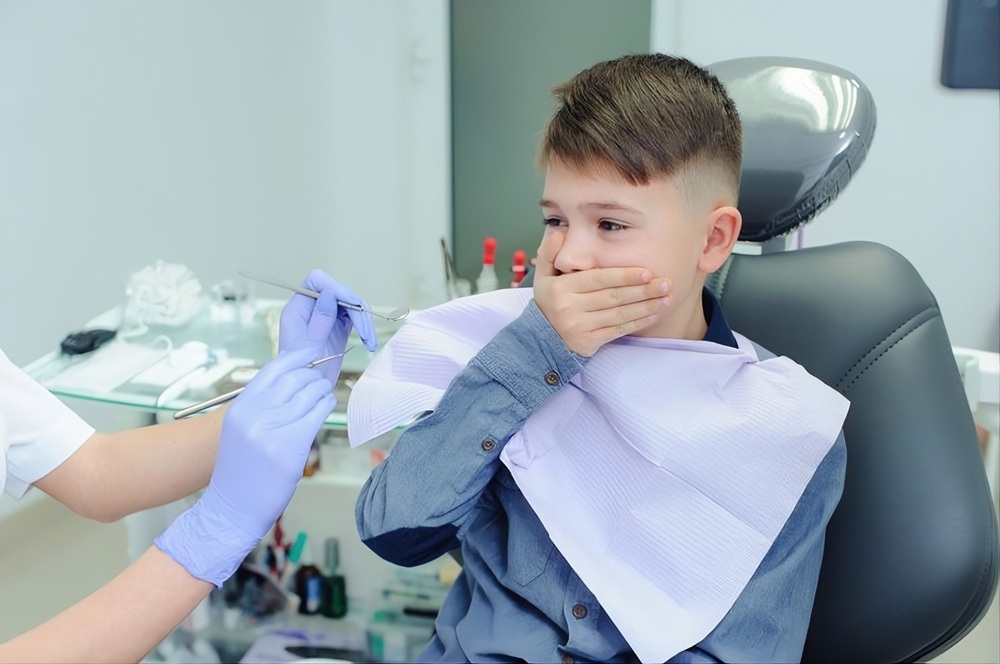
Children can have dental problems for many reasons, not just from not brushing. Eating or drinking sugary foods often, poor brushing, not getting enough fluoride, dry mouth, and missing dental checkups can all raise the risk of tooth problems. A children’s dentist in West Edmonton can check your child’s teeth and gums, find possible causes, and give simple advice based on their age.
Understanding these causes can make it easier to build healthy habits early and address concerns before they become more difficult to manage.
What Are the Main Causes of Poor Dental Health in Children?
Many everyday things can affect a child’s teeth. Some are linked to daily habits, while others may come from diet, dental care, or oral health.
Common causes include:
- Eating sugary snacks and drinks often
- Rushing or not brushing well
- Not cleaning between teeth when needed
- Not getting enough fluoride.
- Drinking sweet drinks often during the day
- Missing regular dental checkups
- Certain medicines or health conditions that affect the mouth
Knowing these causes can help parents make simple changes and protect their child’s teeth without blaming them.
How Does Sugar Affect Children’s Teeth?
Sugar itself does not directly create a cavity. The concern is what happens after sugary foods or drinks are consumed. Bacteria in the mouth can use sugars to produce acids, which can gradually weaken the tooth surface.
The risk of cavities may increase when a child has sugary foods or drinks often during the day. This gives the teeth less time to recover between sugar exposure.
Helpful habits include:
- Choose water between meals.
- Limit sugary snacks and drinks.
- Offering balanced meals and snacks
- Keeping sugary drinks for mealtimes when possible
- Following regular brushing habits
Can Poor Brushing Lead to Cavities?
Yes. If brushing does not remove enough plaque, bacteria can remain on the teeth and contribute to tooth decay and gum problems.
Children may rush through brushing, miss the back teeth, or have difficulty reaching certain areas. Younger children may also need an adult to help or supervise brushing until they have developed the skills to clean their teeth properly.
A dental clinic in West Edmonton can guide brushing techniques that are suitable for a child’s age and dental needs.
Does Fluoride Play a Role in Children’s Oral Health?
Fluoride helps make teeth stronger and protects them from cavities. Children can get fluoride from toothpaste, drinking water, or dental treatments, depending on their needs and local advice.
The amount and type of fluoride a child should receive can vary by age and individual circumstances. Using the appropriate amount of fluoride toothpaste is an important part of daily dental care.
Can Skipping Dental Visits Affect a Child’s Teeth?
Regular dental visits at a dental clinic near you allow developing problems to be identified before they become more advanced. Some cavities may not cause noticeable pain in the early stages, so waiting for symptoms is not always the best way to monitor a child’s oral health.
A dental assessment may include checking:
- Teeth for signs of decay
- Gums for inflammation
- Developing teeth and bite
- Oral hygiene
- Areas that may be difficult to clean
Regular visits also provide an opportunity to adjust home-care advice as a child grows.
Why Do Some Children Develop More Dental Problems?
Two children can follow similar routines and still have different dental experiences. Tooth shape, enamel, oral habits, diet, fluoride exposure, and other individual factors can influence cavity risk.
Some children may have deep grooves in their back teeth that are harder to clean. Others may have habits such as frequent snacking that increase exposure to sugars.
A children’s dentist in West Edmonton can consider these factors when providing preventive care and guidance.
How Can Parents Help Improve a Child’s Dental Health?
Good dental care is easier when it becomes part of your child’s daily routine. Parents can help children develop healthy habits.
Try these simple steps:
- Brush twice a day with fluoride toothpaste.
- Help young children brush well.
- Encourage them to drink water often.
- Limit sugary snacks and drinks.
- Clean between their teeth as advised.
- Go for regular dental checkups.
- Ask your dentist about ways to prevent cavities.
Simple daily habits can help keep your child’s teeth healthy.
Support Your Child’s Oral Health With the Right Care!
Healthy teeth depend on more than brushing alone. Understanding the factors that affect children’s oral health can help families build better daily habits and seek dental care when needed.
Book an appointment with Capital Dental Choice to have your child’s teeth and gums assessed and receive guidance based on their individual dental needs.
FAQs
Can a child get cavities even if they brush every day?
Yes. Brushing helps prevent cavities, but sugary foods, brushing habits, fluoride, and tooth shape can also affect cavity risk.
Should parents help children brush?
Young children often need help or supervision because they may not yet have the coordination needed to clean every tooth thoroughly.
Does drinking water help children’s teeth?
Water is a good choice between meals because it does not add sugar to the mouth. Fluoridated water may also provide fluoride, depending on the local water supply.
How can parents prevent poor dental health?
Consistent brushing, sensible food and drink choices, appropriate fluoride use, regular dental visits, and early attention to dental concerns can all support better oral health.