


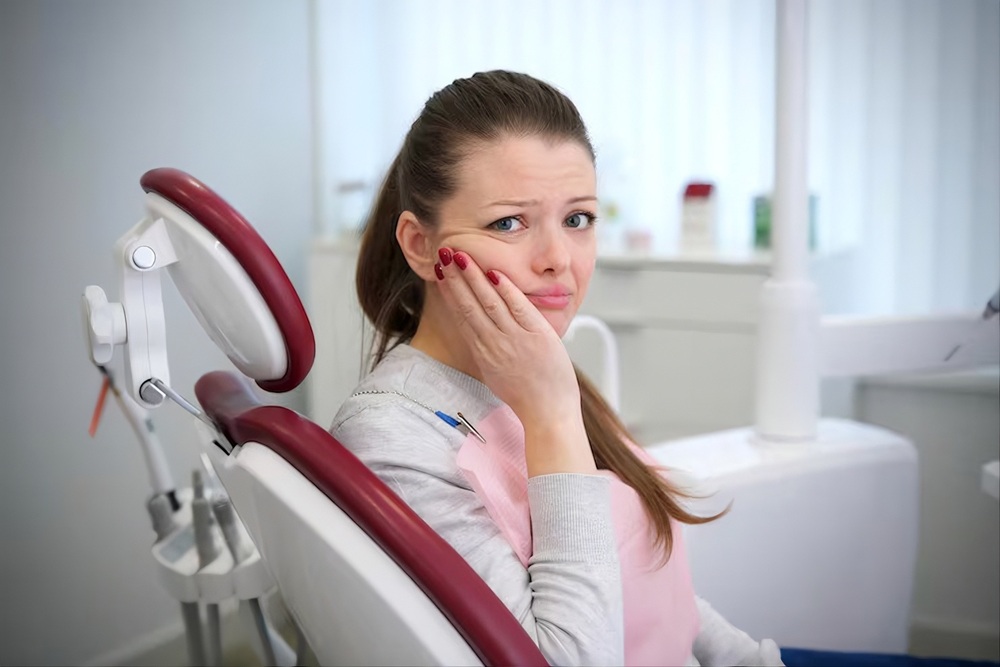
Dental problems can get worse slowly, and you may not notice them at first if they do not hurt much. An emergency dentist can help check for sudden or serious dental problems and decide if you need quick treatment. Common dental problems include cavities, gum problems, damaged teeth, sensitivity, and infections. Watch for signs such as ongoing pain, bleeding, swelling, or pain when eating. Getting dental care early can help prevent the problem from getting worse. If you have severe pain, swelling, or a dental injury, seek dental care as soon as possible.
What Are the Five Most Common Dental Problems?
The five common dental problems include tooth decay, gum disease, tooth damage, tooth sensitivity, and dental infections. Each problem can have different causes and symptoms, so treatment depends on what is affecting your teeth or gums.
Here is a simple overview:
- Tooth decay: Damage to a tooth caused by acids made by bacteria in plaque.
- Gum disease: Swelling or infection in the gums and the tissues that support the teeth.
- Tooth damage: Cracks, chips, breaks, or worn areas caused by an injury or too much pressure.
- Tooth sensitivity: Sharp or uncomfortable feelings when eating or drinking something hot, cold, sweet, or sour.
- Dental infections: Infections that can happen when bacteria reach the inside of a tooth or the tissues around it.
Understanding these problems can help you recognize when a dental checkup may be needed.
Tooth Decay
Tooth decay develops when acids produced by bacteria gradually damage the tooth. It can begin as a small area of damage and become larger if it is not treated.
You may notice:
- Toothache
- Sensitivity to hot or cold foods
- Pain when eating
- White, brown, or dark spots
- A visible hole in the tooth
Regular brushing, cleaning between your teeth, and dental checkups can help reduce the risk of decay and allow early concerns to be identified.
Gum Disease
Gum disease can begin when plaque builds up along the gumline. Early gum inflammation may cause redness, swelling, or bleeding during brushing.
Without appropriate care, gum problems can become more serious and affect the tissues that support your teeth.
Watch for:
- Bleeding while brushing or flossing
- Red or swollen gums
- Persistent bad breath
- Tender gums
- Gums pulling away from the teeth.
If these signs continue, a dental clinic in West Edmonton can assess your gums and determine what type of care may be appropriate.
Cracked, Chipped, or Damaged Teeth
Teeth can become damaged from falls, sports injuries, biting hard foods, teeth grinding, or other causes. The damage may range from a small chip to a larger crack.
A damaged tooth may cause:
- Pain when biting
- Sensitivity
- A sharp edge
- Swelling around the tooth
- Difficulty chewing
Avoid chewing hard foods with a damaged tooth until it has been assessed. If the injury is severe or causes significant pain or swelling, prompt dental attention may be necessary.
Tooth Sensitivity
Tooth sensitivity can cause a short, sharp sensation when you eat or drink something hot, cold, sweet, or acidic. It can have several possible causes, including worn tooth surfaces, gum recession, decay, or a damaged filling.
Sensitivity does not always mean that you have a serious dental problem. However, new or persistent sensitivity should be checked, especially when it affects one particular tooth.
A dental clinic near you can help identify the cause rather than treating the sensitivity without understanding what is behind it.
Dental Infections
A dental infection can happen when bacteria reach the inside of a tooth or the area around it. It may cause pain, swelling, soreness, or a bad taste in your mouth.
Signs that may need quick dental care include:
- Severe or increasing tooth pain
- Swelling around the tooth or face
- Fever
- Pain when biting
- Pus or drainage
- Difficulty swallowing or breathing
A dental infection should not be ignored. An emergency dentist in West Edmonton can assess urgent symptoms and determine the appropriate next step.
How Can You Lower Your Risk of Dental Problems?
Good daily habits can help keep your teeth and gums healthy. They cannot prevent every dental problem, but they can lower the risk of common issues.
Helpful habits include:
- Brush your teeth twice a day with fluoride toothpaste.
- Clean between your teeth every day.
- Limit sugary foods and drinks.
- Do not use your teeth to open packages or bottles.
- Wear a mouthguard during sports when recommended.
- Visit your dentist for regular checkups.
- See a dentist if unusual symptoms do not go away.
Regular dental checkups can also help find problems early, when they may be easier to treat.
Get the Right Care for Your Dental Concerns!
Recognizing common dental problems can help you respond to changes in your teeth and gums instead of waiting until symptoms become severe. If something feels different or a dental concern is affecting your daily life, an assessment can help identify the cause and available treatment options.
Book an appointment with Capital Dental Choice to have your dental concerns assessed and receive care based on your individual oral health needs.
FAQs
Can gum disease cause tooth loss?
Advanced gum disease can damage the tissues and bone that support the teeth. This can affect tooth stability when the condition is not properly managed.
Is tooth sensitivity always a sign of decay?
No. Sensitivity can have several causes, including gum recession, worn tooth surfaces, decay, or a damaged restoration. An examination can help identify the cause.
When is a chipped tooth an emergency?
A small chip may not need emergency care. However, if the tooth is badly damaged or you have severe pain, swelling, bleeding, or trouble eating, see a dentist as soon as possible.
Can a dental infection go away on its own?
Dental infections usually need care from a dentist. The symptoms may get better for a short time, but the infection may still be there and may need treatment.