


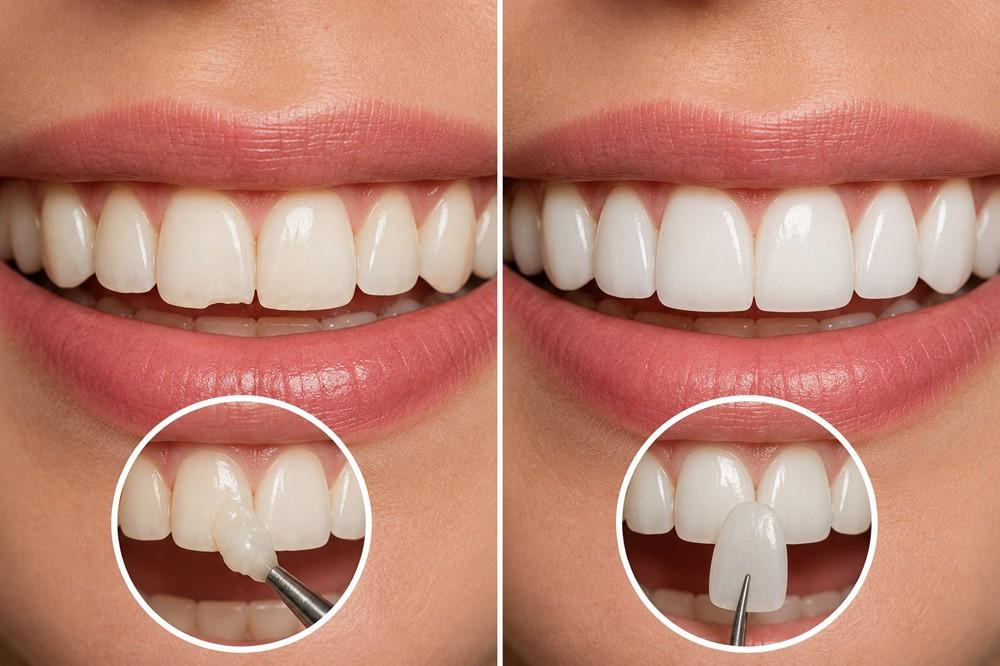
When it comes to improving the appearance of your smile, two of the most popular options are veneers and dental bonding. Both can fix similar cosmetic concerns, but they work in very different ways. Choosing the right one depends on your goals, your budget, and the condition of your teeth. If you have been looking for dental bonding near you or exploring cosmetic dental options, this guide breaks down the key differences clearly and simply so you can feel confident going into that conversation with your dentist.
What Is Dental Bonding?
Dental bonding is a cosmetic procedure where a tooth-coloured resin material is applied directly onto the surface of the tooth. The dentist shapes it by hand, then hardens it using a special curing light.
It is one of the quickest and most affordable cosmetic dental treatments available. In most cases, bonding is completed in a single appointment—with no laboratory work needed.
Bonding works well for:
- Small chips or cracks
- Minor gaps between teeth
- Mildly discoloured or stained teeth
- Slightly uneven or irregularly shaped teeth
- Small areas of exposed root due to gum recession
If you are exploring dental veneers near you but are not ready for a bigger commitment, bonding is often a great starting point.
What Are Dental Veneers?
Dental veneers are thin shells — usually made from porcelain or composite — that are custom-made to fit over the front surface of the tooth. Porcelain veneers are fabricated in a dental laboratory and typically require two or more appointments to complete.
The process involves:
- Removing a small amount of enamel from the tooth surface
- Taking an impression or digital scan of the teeth
- Wearing temporary veneers while the permanent ones are made
- Bonding the finished veneers permanently onto the teeth
Veneers are ideal for patients looking for a more significant and long-lasting cosmetic transformation — especially when multiple teeth are involved.
Veneers vs. Bonding—Key Differences at a Glance
Here is a simple side-by-side comparison to make the differences clear:
| Factor | Dental Bonding | Dental Veneers |
| Material | Composite resin | Porcelain or composite |
| Number of appointments | Usually one | Two or more |
| Tooth preparation | Minimal to none | A small amount of enamel was removed |
| Appearance | Natural-looking | Highly realistic and translucent |
| Stain resistance | Moderate — can stain over time | Excellent—highly stain-resistant |
| Durability | 3 to 7 years | 10 to 15 years or more |
| Repairability | Easy to repair | Difficult—usually replaced |
| Cost | More affordable | Higher investment |
| Best for | Minor cosmetic concerns | Significant cosmetic transformation |
If you are looking for a dental clinic near you that offers both options, a consultation will help you understand which one suits your situation best.
Which Option Is Right for You?
The right choice depends on several personal factors. Here is a simple guide:
A Good Choice for you if you:
- Are dealing with small chips, cracks, slightly misaligned teeth or minor staining.
- Want a quick, single-appointment solution
- Are working with a tighter budget
- Are you not ready for a permanent change to your tooth structure
- Want to trial a cosmetic improvement before committing to veneers
When to select dental veneers:
- Are looking for a longer-term and more noticeable result
- Need to treat several teeth
- Are concerned about staining over the long term
- Require a porcelain material which looks like natural tooth enamel
- Are committed to a two-appointment process for superior results
In some cases, a dentist may recommend a combination—bonding for minor areas and veneers for the most visible teeth. Your dentist will assess your teeth carefully and recommend the approach that gives you the best outcome for your individual smile.
How to Care for Bonding and Veneers
Both bonding and veneers require proper care to last as long as possible.
Here are the habits that make the biggest difference:
- Brush twice a day gently with a non-abrasive toothpaste
- Clean around all the restored teeth with floss every day.
- Avoid biting on very hard foods—ice, hard sweets, or pen lids
- Limit coffee, tea, and red wine where possible—especially with bonding
- Wear a mouthguard at night if you grind your teeth
- Attend regular dental checkups so your dentist can monitor the condition of the bonding or veneers
Small daily habits go a long way toward protecting your investment.
Your Best Smile Is Within Reach
Both dental bonding and veneers are effective, proven ways to improve the look of your smile. The right choice simply comes down to what you want to achieve, how quickly you want results, and what works for your lifestyle and budget.
Here at Capital Dental Choice, we take your smile desires very seriously. Their team is composed of knowledgeable and friendly dentists ready to evaluate your teeth, provide honest information on both solutions, and devise an effective plan to help you achieve your desired smile result. Call us today to schedule your consultation.
Frequently Asked Questions
Is dental bonding permanent?
Dental bonding is not permanent — it typically lasts between three and seven years depending on care and location, after which it can be touched up or replaced easily.
Do veneers damage your natural teeth?
A small amount of enamel is removed before veneers are placed—this is permanent, so the decision should be made thoughtfully with guidance from your dentist.
Can bonding and veneers fix crooked teeth?
Both can improve the appearance of mildly uneven teeth—but for significant misalignment, orthodontic treatment is usually the more appropriate solution.
Will my bonding or veneers match the colour of my other teeth?
Yes, both bonding resin and veneer shades are carefully matched to your surrounding teeth so the result looks natural and consistent.